Introduction
In today’s increasingly risk averse infrastructure environment, where margins are shrinking and deadlines are unforgiving, every decision impacts the bottom line. One often-overlooked area, but with significant potential to reduce risk and save money, is automated geotechnical instrumentation and monitoring.
Whether you’re building a tunnel, dam, highway, or high-rise with deep foundations, advanced instrumentation can deliver both immediate and long-term value.
1. Prevent Failures Before They Happen
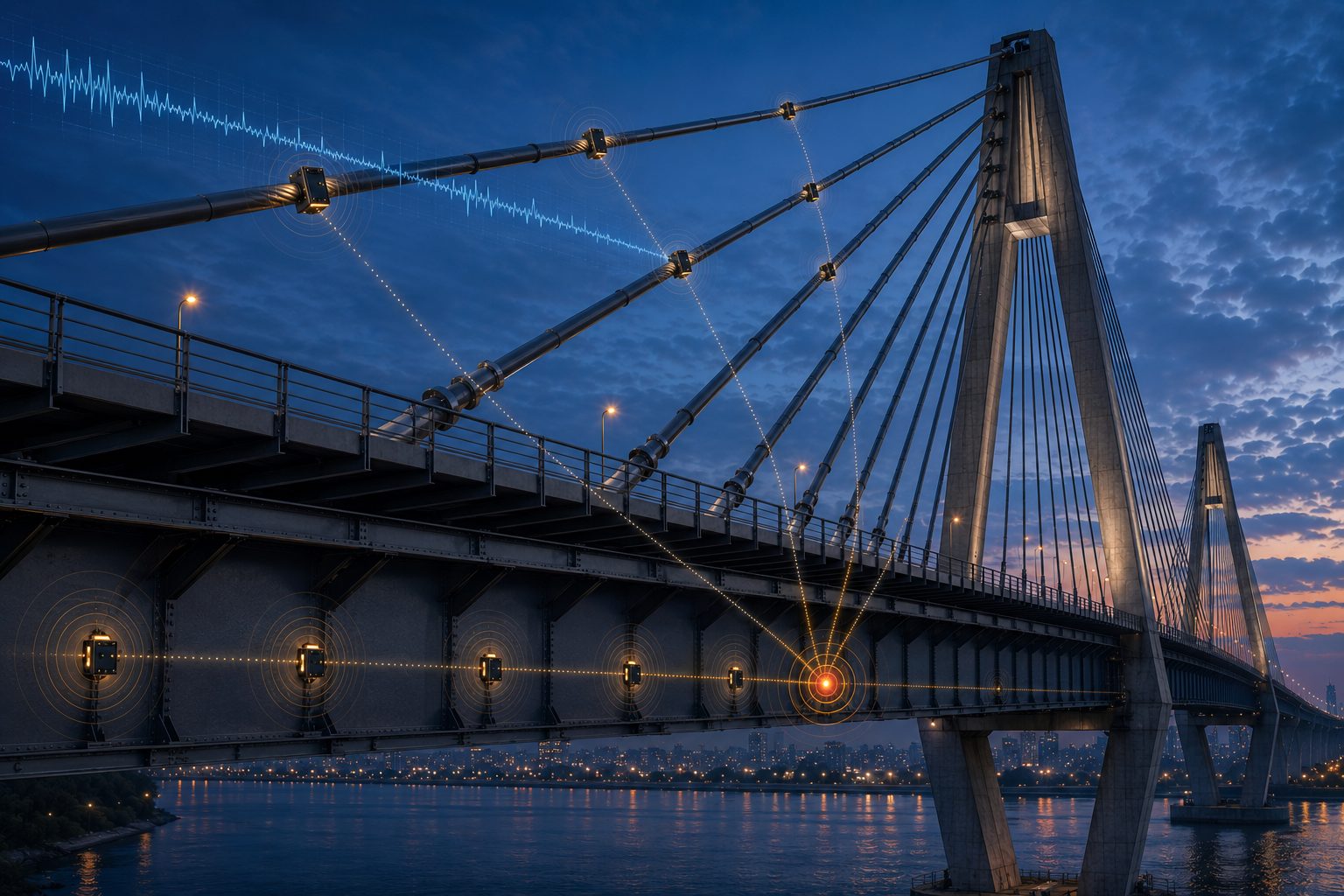
The most obvious value added from geotechnical monitoring is risk mitigation. Failures in engineered embankments, natural slopes, retaining structures, support of excavation or foundations can result in huge dollar losses of project delays, rework, litigation, and to your reputation. Automated instrumentation programs leverage IoT and advanced sensors, such as vibrating wire piezometers, automated inclinometers, and electrical strain gauges, to deliver real-time insight into subsurface and structural interactions and behavior. This allows for early detection of anomalies and timely interventions.
Example: A pre-failure alert from an automated slope monitoring system can help avoid rework, litigation, and costly delays.

2. Reduce Manual Labor and Site Visits
Traditional monitoring requires frequent site visits to manually read instruments. Automated instrumentation systems with wireless telemetry or cloud integration dramatically reduce these visits, lowering labor costs and improving safety. Additionally, these instruments can provide readings at intervals that would be impossible to achieve manually 24 hours a day, 7 days a week.
With automated data collection, a single technician can manage a full suite of instruments producing data that would have been unachievable by manual readings—saving thousands in labor costs each month, at a time when skilled field staff are increasingly scarce.
3. Optimize Design with Real Data
When designs rely only on conservative assumptions, the result can be over-engineering, driving up material and construction costs unnecessarily. Utilizing advanced instrumentation and monitoring creates a feedback loop during construction, providing confidence and enabling performance-based design that is more efficient.
Real-time data validates design assumptions and enables optimized design without compromising safety.
4. Shorten Construction Schedules
Time is money. Instrumentation data informs construction sequencing—such as when to pour concrete, load structures, optimize fill placement, or continue excavation. Removing guesswork leads to faster decisions and fewer delays.
Faster decisions based on real-time data can help keep projects on track—or even ahead of schedule.
5. Support Claims and Compliance
Monitoring data also serves as legal and contractual protection. Cloud-based systems maintain tamper-proof records, which can be critical in substantiating claims, proving compliance, or resolving disputes. Additionally, with a cloud-based monitoring system and automated data store compliance documentation, such as installation and removal logs, photos, and calibration reports, all in one place, makes it easier to stay audit-ready and organized.

Robust data logs are invaluable for defending against change orders, unforeseen conditions, and regulatory challenges.
Conclusion
Intelligent geotechnical instrumentation isn’t just a safety net—it’s a strategic investment. It pays for itself by reducing risk, cutting labor, speeding up schedules, and enabling leaner designs.
If you’re not leveraging advanced monitoring systems on your projects, it’s time to ask:
How much is uncertainty costing you?
Post by: Matthew Winslow is a Senior Business Development Associate at Geocomp, Inc., with more than 15 years of experience in scientific instrumentation, including a decade specializing in geotechnical instrumentation and monitoring. He works closely with infrastructure owners, engineers, and contractors to implement innovative monitoring solutions that improve safety and reduce project risk. Matthew brings a deep understanding of both technical systems and industry procurement processes, guiding clients through complex challenges with confidence. His work supports Geocomp’s mission to deliver data-driven insights for critical infrastructure projects.